Keeping your space cool and comfortable is essential, whether you are hosting an event, working from home, or enjoying a quiet evening indoors. With the summer heat becoming increasingly intense, many people turn to portable cooling solutions for convenience and flexibility. Two of the most popular options are portable air conditioners (ACs) and air coolers. While both serve the same basic purpose of cooling your environment, they operate differently and are suited to different scenarios. Choosing the right one depends on your specific needs, budget, and the type of space you want to cool.
Understanding Portable Air Conditioners
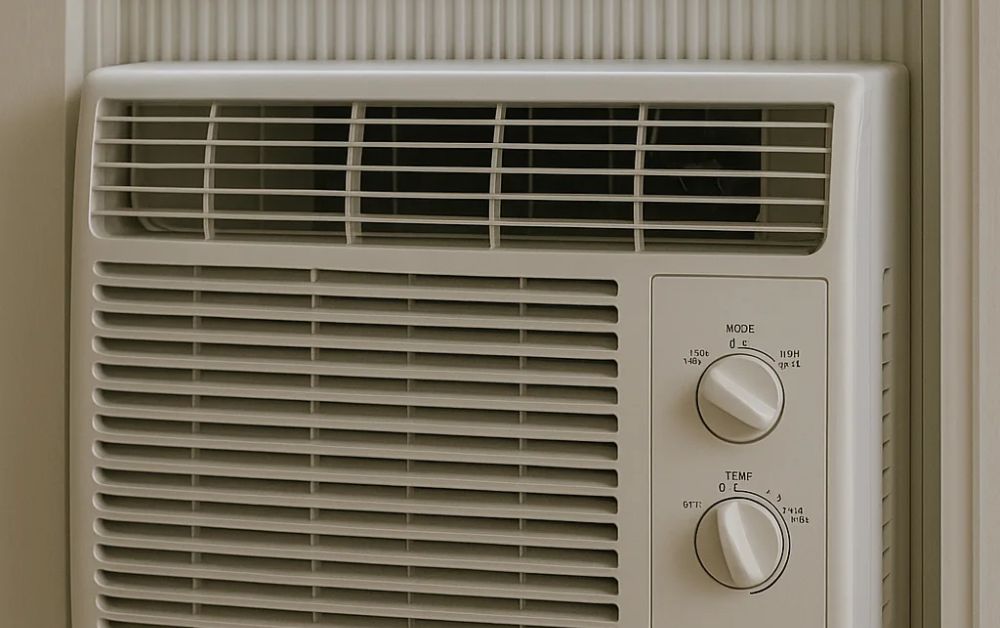
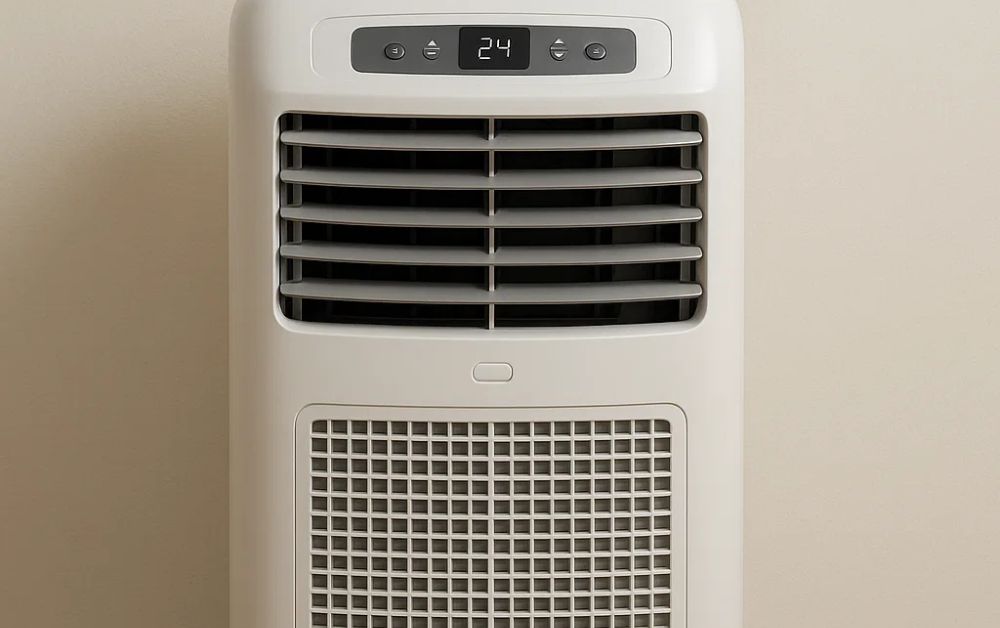
A portable AC is a self-contained unit that works similarly to a traditional split AC but is compact and movable. It uses refrigerant to cool the air and often comes with a hose that vents hot air outside through a window or opening. Portable ACs provide controlled and consistent cooling, making them ideal for spaces where temperature management is crucial.
Pros of Portable AC
- Effective Cooling: Portable ACs can significantly lower room temperature even during extreme heat, making them ideal for indoor events or rooms with poor ventilation.
- Adjustable Settings: Most units come with temperature controls, fan speeds, and timers, giving you complete control over the cooling process.
- Dehumidification: Many portable ACs also reduce humidity levels, making the air feel cooler and more comfortable.
- Versatility: Because they are movable, you can use them in different rooms or even take them to an event hall where temporary cooling is needed.
Cons of Portable AC
- Higher Energy Consumption: Portable ACs consume more electricity compared to air coolers, which can lead to higher utility bills if used extensively.
- Setup Requirements: You need to vent hot air outside through a window or door, which might require minor adjustments or installation.
- Noise Levels: Some models can be noisy, especially on higher fan speeds.
Understanding Air Coolers
Air coolers, also known as evaporative coolers or swamp coolers, work by drawing in warm air and passing it over water-saturated pads. The water evaporates, cooling the air before it is blown out into the room. Air coolers are energy-efficient and portable, making them a popular choice for casual cooling in smaller spaces or semi-outdoor areas.
Pros of Air Coolers
- Energy Efficiency: Air coolers consume significantly less electricity than portable ACs, making them cost-effective for extended use.
- Eco-Friendly: Since they use water instead of refrigerants, air coolers have a smaller environmental impact.
- Humidification: Air coolers add moisture to the air, which can be beneficial in dry climates.
- Easy Maintenance: Filling the water tank and cleaning the cooling pads are simple tasks, making maintenance hassle-free.
Cons of Air Coolers
- Limited Cooling Power: Air coolers are less effective in high humidity areas or large spaces, as they rely on the evaporation process, which slows down in humid conditions.
- Temperature Control: Most air coolers lack precise temperature controls, so the cooling effect can be inconsistent.
- Space Dependency: They work best in smaller rooms or semi-open spaces where air circulation is good.
Factors to Consider When Choosing
When deciding between a portable AC and an air cooler, consider the following factors:
- Room Size: For large rooms or event halls, portable ACs are more effective, while air coolers work well in smaller rooms or open spaces.
- Climate: In dry climates, air coolers are highly effective, but in humid environments, portable ACs perform better.
- Mobility Needs: Both options are portable, but air coolers are usually lighter and easier to move around.
- Energy Costs: If budget-friendly electricity usage is a priority, air coolers are the better choice.
- Installation Flexibility: Portable ACs require venting, so ensure your space allows for proper setup. Air coolers simply need water refills.
Practical Scenarios
- Home Use: For small to medium rooms in dry climates, an air cooler is often sufficient. In humid areas or larger rooms, a portable AC is more reliable.
- Events and Outdoor Gatherings: Portable ACs provide consistent cooling, making them ideal for indoor event halls or temporary setups. Air coolers are great for semi-open patios or smaller outdoor gatherings, provided the humidity is low.
- Temporary Workspaces: Portable ACs are preferred for pop-up offices or trade show booths, as they maintain a comfortable working temperature for longer periods.
Conclusion
Both portable ACs and air coolers have their advantages, and the best choice depends on your space, climate, and usage requirements. Air coolers are energy-efficient, lightweight, and perfect for dry climates or smaller spaces, while portable ACs deliver consistent cooling and are ideal for larger rooms, humid climates, or indoor events where comfort is a priority.
For those looking for reliable and flexible cooling solutions for their home or events, RentAppliances.ae offers a wide range of high-quality portable ACs and air coolers. Their appliances ensure comfort, convenience, and energy efficiency, helping you create the perfect environment wherever you need it.